Exhibition stands - Design and creativity

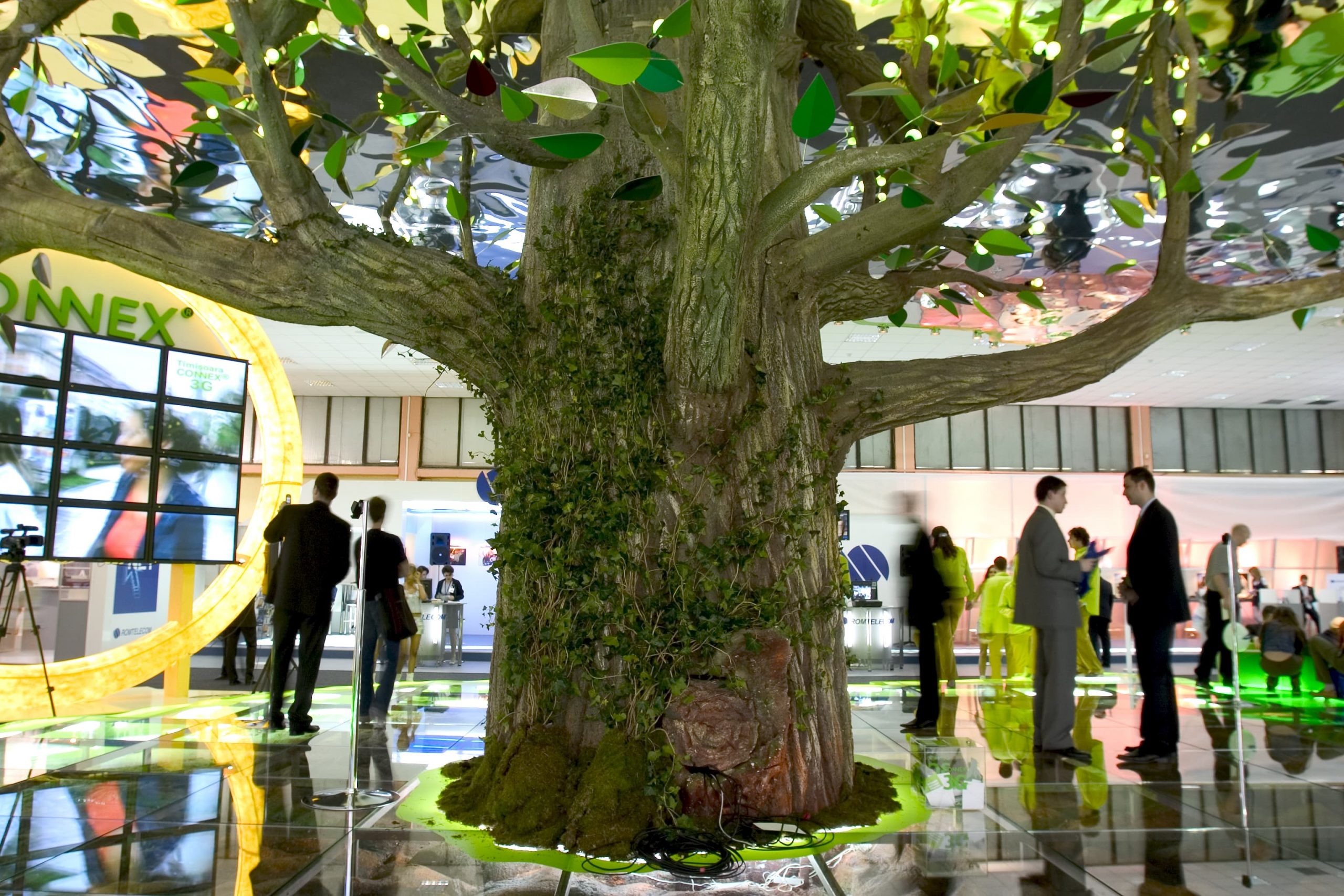
Stand Tree - Completed project

Exhibition stands are excellent ways to promote a business, product or service. Therefore, their construction is one of the most used advertising techniques, due to the visual impact they can have. Thus, the general design is very important, because this is the first contact with those who will visit the stand. The way of presentation may be different, depending on the options of the initiator of the project. Therefore, any construction systems must be aligned with these specific requirements, in order to be developed as accurately as possible – so a team specialized in creating customized concepts and stands is necessary.

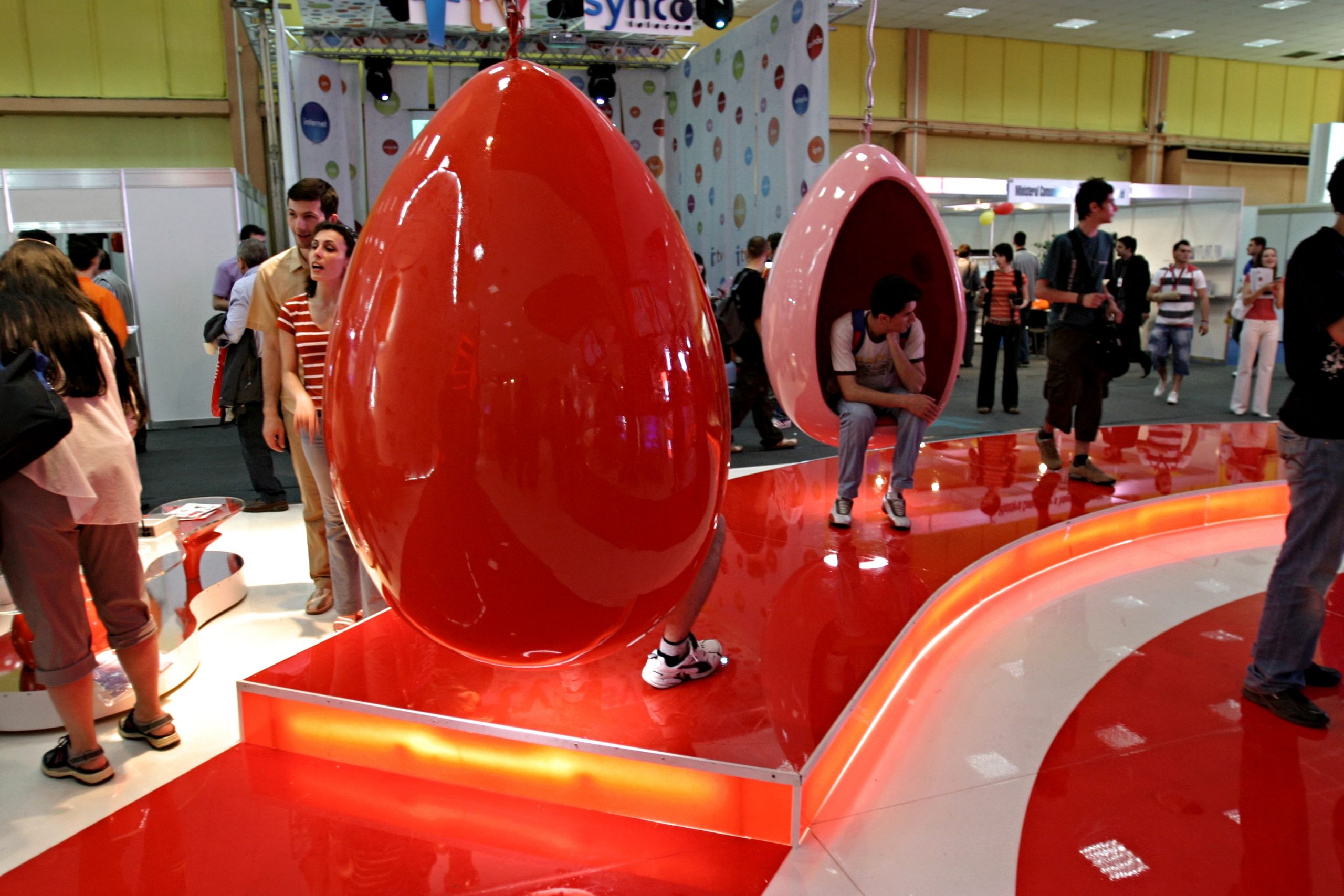
Stand Cerf - Egg-shaped suspended chairs

Exhibition stands - Materials and techniques used

Stand Cerf suspended special chairs 4
Stand and decorative props Cerf
Stand Tree
Stand Tree
Stand Cerf - Egg-shaped suspended chairs 2
Stand Cerf Special chair 5
Stand Cerf - Egg-shaped suspended chairs 3
Stand Cerf chair and laptop holder 2
Stand Cerf A sitting decorative prop 3

In the realization of exhibition stands or commercial furniture, in order to promote stores, companies, or products, the first step to be done is to materialize the concept. It is made by the scenographer or architect, by elaborating a sketch, a model or a drawing, which should include all the technical and visual details that must be found in the final result. Then, together with the collaborating engineers and technicians, the proposed project is analyzed from all points of view, in order to establish what are the necessary construction and design procedures. Also, in this work phase, it is analyzed what is the need for materials and resources, in order to maximize the process.

Sometimes, customers prefer to rent exhibition stands, because they are based on predefined standard modules and are easier to obtain. But, on the other hand, those built from scratch are more advantageous in terms of originality. Thus, a furniture created and designed from scratch can be more attractive and special, because it takes into account all the initial requirements and becomes a unique and special construction. There are portable options, which can be extremely useful if the result must be efficient and easy to install – these characteristics must be included in the project outline, and the team of specialists will act accordingly. Therefore, not only a good value for money is needed, but also an ideal image, in order to achieve the proposed goals.

In general, all categories of stands and presentation constructions are made of lightweight materials, which allow immediate installation, but also personalization by printing or decorating with the desired advertising materials. Therefore, plastics such as plexiglass, stiplex, forex, stadur, polyplane, or mesh are used, together with special metal or aluminium profiles, which can be modular and easy to join. If the customer is a producer of materials – resins, paints, wood, metal materials – they can be used in the construction process, for advertising and exemplifying its use.
Depending on the characteristics of the project, specific techniques will be used, such as welding, laser CNC cutting, hot soldering, thermoforming, mechanical or quick clamping. They are used by professionals in a specialized and safe manner. All these procedures aim to create an atypical exhibition stand, with a special design. With the help of technicians and artists involved in the process, the end result will be an effective way of visual promotion, which can be an advantage for any business.

The exhibition stand must be integrated into the space in which it will be placed, whether it is indoor or outdoor. Thus, its dimensions and characteristics must be in line with the specifics of the event. In conclusion, taking into account these details, the degree of complexity of the project may be higher or lower. Therefore, its development can take between 3 weeks and 2 months, depending on these details, which can be related to building each constituent element and creating an aesthetically coherent ensemble, in order to fit in the framework in which it will be installed.

Tell us more about your concept and we can make it happen!

error: Content is protected !!